Tree Inspections in Kentish Town
If you are looking for tree inspections in Kentish Town, you are probably trying to answer a practical question: are the trees on your property safe, healthy, and suitable for the space they are in? Whether you manage a family garden, a shared courtyard, a commercial forecourt, or a larger residential plot, a professional inspection can help you understand what is going on before a small issue becomes a costly or dangerous one. Trees can be assets that add character, privacy, and value, but they can also develop hidden defects, compete with nearby structures, or create risks during storms, heavy rain, and seasonal growth.
Kentish Town has its own mix of property types and access challenges. From compact front gardens and rear mews-style spaces to apartment developments, school grounds, retail units, and business premises, the local environment can make tree care more complicated than it first appears. An inspection is not just about looking at leaves or deciding whether a tree looks “fine” from a distance. It is about assessing structure, stability, condition, root influence, and the surrounding site so you can make informed decisions.
Our tree inspection service is designed for real local customers who want clear answers. If you need help with a tree that is leaning, losing branches, touching a building, affected by disease, or simply overdue for a check, contact us today to request a visit and discuss the best next step.
Why tree inspections matter in Kentish Town

Tree inspections in Kentish Town are often requested after a storm, when a tree starts dropping branches, or when a neighbour raises a concern about overhanging limbs. Those are all valid reasons, but a proactive inspection can be just as useful. It helps identify issues early, which is especially important in a built-up area where trees grow close to homes, walls, footpaths, driveways, and utility lines. A healthy-looking tree can still have structural weaknesses, pest activity, fungal decay, or root-related problems beneath the surface.
Local conditions matter. In parts of Kentish Town, trees may be growing in restricted soil volumes, near paved areas, or in gardens where previous construction work has affected the ground. These conditions can place extra stress on roots and trunks. On commercial sites, trees can also interact with car parks, loading areas, signage, public access routes, and outdoor seating. A detailed inspection helps establish what needs attention now, what should be monitored, and what can safely remain as it is.
Good tree management is not only about risk reduction. It also supports the long-term health and appearance of your outdoor space. A properly inspected tree may need minor pruning, better maintenance, or just routine monitoring. That can save time and avoid unnecessary work, while helping preserve a tree that is important to the character of your property.
Who our tree inspection service is for
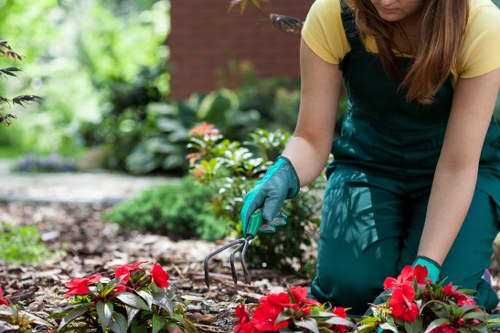
Our Kentish Town tree inspection service supports a wide range of customers. Homeowners often want reassurance that a mature tree in the garden is safe near the house, conservatory, boundary fence, or neighbouring property. Landlords and managing agents may need inspections before or after tenant occupation, after adverse weather, or as part of planned maintenance. Developers and site managers may need an assessment before building work, access changes, or landscaping updates.
We also work with schools, offices, hospitality venues, small retail sites, and communal residential developments. These settings often need trees inspected with access in mind, because branches, roots, and falling debris can all affect daily use. The needs of each site differ, which is why a one-size-fits-all approach rarely works. A local inspection considers the tree itself and the practical realities around it.
If you are unsure whether your tree needs a simple visual check, a more detailed assessment, or follow-up work, that is completely normal. The purpose of the inspection is to give you clarity. You do not need to know the technical terms in advance; you just need to explain what you have noticed and what worries you. From there, a professional can advise on the condition and the most suitable action.
What is included in a professional tree inspection
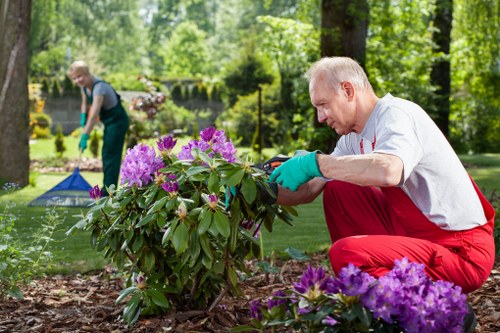
A tree inspection is more than a quick glance from the pavement. The exact depth of the assessment depends on the site and the issue at hand, but a typical visit will look at the tree’s overall form, stem, canopy, and surrounding environment. The inspector may check for visible defects, signs of decay, unstable unions, deadwood, heavy lean, storm damage, and evidence of pests or disease. The condition of nearby structures, fencing, hard surfaces, and underground influences may also be considered where relevant.
For Kentish Town properties, practical site factors often matter just as much as the tree itself. Narrow access points, limited parking, shared entrances, and nearby traffic can all affect how an inspection is carried out. A good local service will take these realities into account and work efficiently without disrupting neighbours, residents, or business operations more than necessary.
Depending on what is found, the inspection may result in recommendations such as monitoring, light pruning, deadwood removal, crown management, soil and root-zone consideration, or further diagnostic work. Where a tree appears to be in poor condition or potentially unsafe, prompt action may be advised. In many cases, early inspection makes it possible to address issues before they escalate.
Common reasons customers book tree inspections in Kentish Town

People call for tree inspections for many different reasons, and some are more urgent than others. A branch may have fallen after high winds. A mature tree may be shading a roof, lifting paving, or brushing against a property. The canopy may have changed shape suddenly, which could suggest storm stress, root movement, or internal weakness. Sometimes a customer simply wants peace of mind before buying, selling, renting, or renovating a property.
Local residents often ask for inspections when a tree is close to a boundary, especially where there is shared responsibility or concern about overhanging growth. In communal settings, managing agents may want a routine check to reduce the chance of avoidable incidents. Commercial customers often need their trees assessed to help keep entrances, walkways, and customer parking areas usable and safe. The reasons are different, but the goal is the same: to understand the tree’s condition and manage it responsibly.
It is also common to arrange an inspection before seasonal weather changes. Heavy rain, strong winds, and periods of drought can all affect tree stability and health. A tree that looked acceptable in summer may perform very differently after a wet autumn or a windy spell. A timely inspection gives you the chance to act before the weather exposes a problem.
How the inspection process works
Step 1: Initial discussion
The process usually begins with a short conversation about the tree, the site, and any symptoms you have noticed. You might mention cracking, leaning, dead branches, fungal growth, poor leaf cover, or damage after a storm. You may also explain whether the tree is in a front garden, rear garden, communal area, business forecourt, or another difficult-to-access location.
Step 2: On-site assessment
Once on site, the inspector examines the tree from ground level and observes the surrounding environment. This may include the trunk, scaffold branches, canopy density, root zone conditions, and any visible signs of stress. Where relevant, nearby buildings, boundary walls, paths, fences, and overhead obstructions are also considered. If the property is busy, the inspection is typically carried out with care for residents, staff, customers, and passers-by.
Step 3: Clear recommendations
After the assessment, you should receive straightforward advice about the tree’s condition and the practical options available. These may include doing nothing for now, scheduling further monitoring, carrying out pruning, arranging more detailed investigation, or taking urgent action if necessary. The aim is not to create unnecessary work; it is to help you make a sensible decision based on the actual condition of the tree.
Need a local opinion you can trust? Book your service now and get the tree assessed before the issue grows into something harder to manage.
What makes Kentish Town properties different

Kentish Town has a varied urban landscape, and that variety affects how tree inspections are approached. Some properties have mature trees that have been in place for decades, while others have younger planting in smaller gardens or shared developments. There may be limited side access, restricted working hours, permit-sensitive streets, or parking issues that require careful planning. A local team understands these constraints and can adapt the inspection accordingly.
There are also practical differences between residential and commercial sites. A homeowner may need reassurance about a single tree overhanging the garden or a boundary fence. A landlord may need records and a sensible maintenance plan. A café, office, or shop may need an inspection that considers customer access, delivery routes, and outdoor seating. In every case, the inspection should be shaped around the actual use of the space.
Local knowledge can make the whole process smoother. Familiarity with common access limitations, local building styles, and mixed-use streets helps reduce wasted time and keeps the visit focused. It also means the advice you receive is more likely to reflect the realities of maintaining trees in this area, rather than a generic approach that ignores the setting.
Signs a tree should be inspected soon
If you are unsure whether to book an inspection, look out for changes in the tree or the area around it. Some warning signs are obvious, while others are subtle. The sooner they are checked, the better. You do not need to wait for a branch to fall or for visible damage to appear before taking action.
- Sudden leaning or a change in the tree’s angle
- Dead branches, especially in the upper canopy
- Cracks, splits, or cavities in the trunk or major limbs
- Fungal growth near the base or on the stem
- Visible root disturbance, heaving soil, or lifting paving
- Repeated branch drop without strong wind
- Patchy leaf growth or early leaf loss
- Branches rubbing against roofs, windows, walls, or cables
- Evidence of storm impact or lightning damage
If any of these sound familiar, an inspection can help you decide whether the tree needs monitoring, maintenance, or more urgent attention. Do not ignore changes just because the tree has looked stable for years. Mature trees can change over time, and subtle signs often matter.
Potential outcomes after an inspection
One of the most useful things about tree inspections in Kentish Town is that they can save customers from unnecessary work. Not every tree with a visible issue needs removal. In many cases, the result is a sensible maintenance recommendation that keeps the tree while reducing the risk it presents. That might mean reducing deadwood, improving clearance, or checking the tree again after a period of observation.
Possible outcomes can include:
- No immediate action, with routine monitoring advised.
- Minor tree work, such as deadwood removal or selective pruning.
- Further investigation if internal decay or root issues need closer review.
- Urgent remedial work if a defect appears likely to affect stability.
- Management planning for larger sites, shared ownership, or multiple trees.
This flexible approach is important because trees are living systems. The right decision depends on species, age, condition, location, and the level of risk involved. A careful inspection helps avoid both overreaction and delay.
Preparation checklist before your appointment
A little preparation helps the inspection go smoothly, especially where access is limited or the site is busy. You do not need to do much, but a few simple steps can make the visit more efficient and help the inspector focus on the tree rather than avoidable obstacles.
- Make sure gates, side passages, or communal entrances are accessible.
- Move vehicles if they block the tree or the approach route.
- Keep pets indoors or away from the inspection area.
- Note any recent changes, such as storms, fallen branches, or new cracks.
- Tell the inspector about nearby issues like drains, paving movement, or previous tree work.
- If the tree is shared with neighbours, consider whether they should be informed in advance.
This preparation is especially useful in Kentish Town where many properties have tight access or shared boundaries. Even small adjustments can save time and help the inspection proceed without disruption.
Pricing factors for tree inspections
Customers often want to know what affects the cost of a tree inspection. While exact figures vary from site to site, pricing is generally influenced by the complexity of the job rather than just the size of the tree. A straightforward inspection of a single tree in an easy-to-access garden will usually be simpler than assessing multiple trees in a communal or commercial setting with restricted access.
Typical pricing factors include:
- Number of trees to be inspected
- Site access and parking limitations
- Whether the tree is near buildings, roads, or boundaries
- Urgency of the visit
- Need for more detailed assessment or follow-up reporting
- Complexity of the surroundings, such as hard landscaping or public areas
If you want a clearer idea of what your own property might involve, request a quote based on the actual site conditions. That is the best way to get a fair and practical estimate without assumptions.
Why choose a local company for tree inspections in Kentish Town
Working with a local team offers real advantages. A company familiar with Kentish Town is more likely to understand how access works in the area, what kinds of property layouts are common, and how to plan around residential streets and mixed-use locations. This can make a noticeable difference when the site is awkward, busy, or sensitive to disruption.
Local service is also useful when you need follow-up work. If an inspection identifies a pruning need, a monitoring schedule, or more detailed tree care, it helps to have a team that can return efficiently and keep the process consistent. That continuity matters for landlords, managers, and homeowners who want dependable long-term maintenance rather than a one-off visit with no next step.
Choosing local also means choosing practical awareness. A nearby service is more likely to appreciate the everyday realities of parking, neighbours, access routes, and the balance between safety and keeping the space usable. That is exactly what many Kentish Town customers want: thoughtful advice that fits the property and the people using it.
Areas covered around Kentish Town
Our tree inspection work in Kentish Town is suitable for properties across nearby residential streets, shared housing, commercial premises, and mixed-use developments. Customers often need support in surrounding neighbourhoods too, especially where access to trees is shared between adjoining properties or managed by landlords and agents.
Areas and settings commonly covered may include:
- Residential gardens and front boundaries
- Communal courtyards and shared green spaces
- Rental properties and managed housing
- Shops, cafés, offices, and business premises
- Schools, nurseries, and community buildings
- Car parks, access roads, and public-facing areas
If your property is near busy roads, tight terraces, or shared entrances, it is worth choosing a team that is used to working in urban settings. That practical experience helps make the inspection safer and more efficient.
Frequently asked questions
How often should trees be inspected?
It depends on the species, age, location, and condition of the tree. Trees close to buildings, footpaths, or areas with regular public use may need more frequent checks than trees in low-risk parts of a large garden. After storms or visible changes, it makes sense to book an inspection sooner rather than waiting for a routine review.
Do I need an inspection if the tree looks healthy?
Yes, sometimes. Healthy foliage does not always reveal structural problems, root movement, or internal defects. If a tree is large, old, near a building, or has changed in appearance, it is sensible to have it checked. A visual inspection can provide reassurance and help you plan ahead.
Can you inspect several trees at once?
Yes. Many customers want multiple trees assessed in one visit, especially on larger gardens, communal sites, or business premises. This is often the most practical approach because it allows the overall tree stock to be considered together rather than as isolated specimens.
What if the tree is near my neighbour’s boundary?
Boundary trees are common in Kentish Town, and they can raise questions about responsibility, access, and what action is appropriate. An inspection can help establish whether the tree needs attention and what type of work may be suitable. If there is shared ownership or close proximity, a careful and respectful approach is especially important.
Will the inspection tell me if work is needed straight away?
In many cases, yes. The inspector can usually identify whether the tree is stable, whether minor maintenance is enough, or whether further attention is needed. Some situations are straightforward, while others may require monitoring or additional checks before a final decision is made.
What customers value most from a local inspection service
Most customers are not looking for technical complexity. They want a clear answer, a sensible recommendation, and an inspection that fits their schedule and property. They also want confidence that the tree has been assessed with care. A good local service should communicate plainly, respect the site, and focus on practical outcomes that make sense for the customer.
That means being honest about what is urgent, what can wait, and what simply needs observation. It means understanding that a tree can be valuable even if it needs work. And it means helping Kentish Town customers protect their property, neighbours, and outdoor spaces without unnecessary disruption.
Ready to take the next step? Request a free quote, ask for advice, or book your service now if you want a professional tree inspection carried out in Kentish Town.
Final thoughts
Tree inspections in Kentish Town are an important part of responsible property care. They help homeowners, landlords, managers, and business owners understand the condition of their trees, reduce avoidable risk, and plan maintenance with confidence. In a local area where access can be tight and trees often grow close to valuable structures, a professional assessment is a practical investment in safety and peace of mind.
If you have noticed signs of stress, if a storm has raised concerns, or if you simply want to check that your trees are in good condition, now is a sensible time to act. Contact us today to discuss your site, request a free quote, and arrange a tree inspection that suits your property and your needs.