Crown Thinning in Kentish Town
When trees start to feel too heavy, too dense, or simply too dominant in a garden or frontage, crown thinning in Kentish Town can be the right solution. It is a precise tree surgery service designed to reduce congestion within the canopy while keeping the tree’s natural shape, height, and overall character intact. For homeowners, landlords, property managers, and local businesses across Kentish Town, crown thinning is often the best way to improve light, reduce wind resistance, and make mature trees more manageable without over-cutting them.
In a built-up area like Kentish Town, where many properties have limited outdoor space, close neighbours, terraced homes, side returns, shared boundaries, and mature planting squeezed into compact plots, the way a tree is maintained matters. Too much growth can block windows, shade patios, interfere with gardens, and create unwanted pressure during high winds. A carefully carried out thinning service helps the tree breathe and sit more comfortably within its surroundings, while keeping it healthy and attractive.
If you are considering crown thinning in Kentish Town, this page explains what the service involves, who it helps, how it works, and what you should think about before booking. Whether your tree is in a private rear garden, a front drive, a commercial courtyard, or a shared outdoor space, a local team can assess the tree properly and recommend a sensible approach that suits the property and the species involved.
What crown thinning actually means
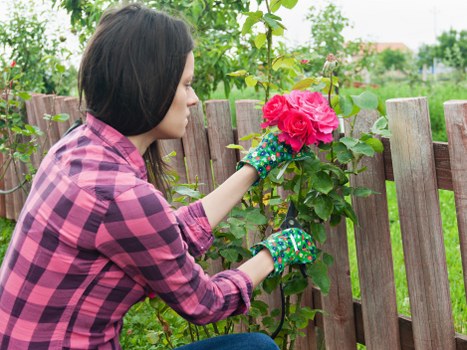
Crown thinning is the selective removal of smaller live branches throughout the canopy. The idea is not to change the tree into a visibly smaller version of itself, but to lessen the density of the crown so more light and air can pass through. A skilled arborist removes branches with care, usually concentrating on crossing shoots, inward-growing twigs, and a modest number of well-chosen secondary branches.
This is different from heavy reduction or topping. Tree crown thinning aims to preserve the structure and natural outline of the tree. It is often chosen for mature ornamental trees, street-facing trees, garden boundary trees, and trees where the client wants a lighter canopy without losing the established look that gives the property character.
In practical terms, thinning can help a tree that feels visually heavy, sways too much in the wind, or creates a gloomy area beneath the canopy. It can also improve the tree’s appearance by making its branch framework more balanced and allowing selected features, such as shape or blossom, to stand out more clearly.
Why local customers in Kentish Town ask for crown thinning

People request crown thinning for many everyday reasons. Some want more daylight in a rear garden or kitchen extension. Others want to reduce wind loading on a tall tree close to a fence, shed, or outbuilding. In some cases, the tree may be healthy but simply too dense for the space it occupies. In Kentish Town, where urban plots and shared access routes are common, these practical issues can matter as much as the tree’s appearance.
There are also seasonal concerns. During periods of heavier winds, dense crowns can catch the breeze and place more strain on the stem, larger limbs, and roots. Thinning the canopy can ease that effect and improve airflow through the tree. For trees overhanging driveways, footpaths, courtyards, or access lanes, this can make the whole area feel more open and easier to use.
Customers often choose this service because they want a sensible middle ground. They may not want a major cut, but they do want a noticeable improvement. Professional crown thinning in Kentish Town is often the answer when the aim is to balance light, safety, and aesthetics without making the tree look harshly altered.
How crown thinning works on site
A good service starts with an assessment of the tree, its species, size, condition, surroundings, and any visible constraints. The operative will look at branch structure, previous pruning, signs of stress, and what lies below the canopy. In Kentish Town, that might include a narrow garden, a shared alleyway, a parked car, a glazed extension, or a neighbour’s boundary planting.
The work itself is carried out with selective pruning cuts using appropriate tools and methods for the tree’s size and location. The focus is on retaining a natural appearance and avoiding over-thinning, which can be just as problematic as leaving the crown too congested. A thoughtful approach is especially important on mature trees because poor pruning can leave them exposed, misshapen, or vulnerable to future issues.
After the thinning work, the canopy should look lighter and more open, but still like the same tree. Done properly, crown thinning is subtle. The change should be felt in terms of light, air movement, and reduced density rather than a dramatic visual haircut. That is one reason why customers across Kentish Town prefer experienced local tree surgeons who understand the balance between improvement and restraint.
Benefits of crown thinning for Kentish Town properties
There are several practical benefits for local homes and businesses. One of the biggest is improved light penetration. Trees that are healthy but overly dense can create a noticeably darker environment beneath and around them. Thinning the crown helps daylight reach lawns, borders, windows, and sitting areas, which can make outdoor spaces feel more usable and pleasant.
Another advantage is reduced wind resistance. A dense tree canopy acts like a sail, especially in exposed spots or where buildings funnel airflow. By thinning selected areas, the tree can allow wind to pass through more easily. This can reduce stress on the tree and may be particularly useful where large branches are close to roofs, fences, or neighbouring properties.
There is also a visual benefit. Trees often look fresher and more graceful after a professional crown thinning. Instead of appearing top-heavy or crowded, the canopy has space between branches, which can improve the way the tree frames a garden or frontage. For commercial premises in Kentish Town, that cleaner and more open appearance can contribute to a better first impression without removing the mature planting that adds character.
What is included in a crown thinning service
Customers often want to know exactly what they are paying for and what the work includes. While every tree is different, a standard crown thinning service usually focuses on a considered pruning plan rather than simple cutting. It may include:
- Assessment of the tree’s condition, structure, and surrounding space
- Selective removal of smaller live branches to reduce density
- Pruning to maintain the natural outline of the tree
- Attention to crossing, rubbing, inward-growing, or crowded branches
- Clearing away cuttings and leaving the site tidy where possible
- Advice on whether follow-up maintenance may be useful later on
Some situations may call for related services, such as crown lifting, deadwood removal, light reduction, or formative pruning. A local arborist will usually advise on the best combination for the tree rather than recommending unnecessary work. That is particularly valuable in Kentish Town, where the right treatment can depend on a tree’s position near a house, pavement, boundary wall, or shared access point.
Good tree care is tailored, not rushed. If a tree has restricted root space, signs of disease, or a history of previous pruning, the work may need extra care. A proper service takes those factors into account before any cutting begins.
When crown thinning is a sensible choice

Crown thinning is often a good option if the tree is healthy but overly dense, if you want better light without a drastic reduction, or if the canopy catches too much wind. It can also be helpful where a tree shades a garden used by children, pets, or customers, or where dense growth is making an outdoor area feel enclosed.
In Kentish Town, it may be suitable for garden trees beside terraced homes, trees in small front plots, trees overhanging shared drives, and trees visible from shopfronts or commercial courtyards. It is also often chosen where a mature tree provides value and privacy, but its canopy has become too compact for the property.
That said, it is not the right answer for every tree. Some trees need deadwood removal, some need a crown lift, and some may need a more significant reduction because of size constraints or previous poor maintenance. A responsible tree surgeon will not force a thinning job where another solution is more appropriate.
Tree types commonly thinned in local areas
Different species respond differently to pruning, so crown thinning should always be carried out with the tree in mind. In residential and commercial settings around Kentish Town, the work may involve a variety of mature ornamental and garden trees. The exact approach depends on branch habit, growth rate, and the tree’s general condition.
Some trees naturally form dense canopies and benefit from selective thinning to reduce weight and improve air movement. Others may already have a more open framework and need only light intervention. The aim is to work with the tree’s natural structure rather than impose a look that does not suit the species or the setting.
If you are unsure whether your tree is suitable for this service, a site visit can help. Local experience matters here because a tree surgeon who regularly works in Kentish Town will understand which species are common in smaller gardens, which are often planted near boundaries, and which may need particularly careful pruning because of nearby buildings or hard landscaping.
Residential and commercial crown thinning in Kentish Town
Tree work in a residential setting is very different from work on commercial premises, even when the tree itself looks similar. Homeowners often want more light, better garden use, and a tidier appearance. Landlords may want to keep outdoor areas manageable for tenants. Managing agents may need trees maintained for safety, access, and visual consistency. Businesses may need a smarter frontage, safer parking areas, or less obstruction around entrances.
In and around Kentish Town, many properties have access challenges that require planning. Narrow side passages, limited parking, shared access routes, and tight boundary lines can affect how the work is carried out. A local team is used to working with these constraints and can often plan the job more smoothly than a contractor unfamiliar with the area’s property layout.
For commercial customers, timing can also matter. You may want the work completed with minimal disruption to staff, visitors, or deliveries. A professional service can take these concerns into account when setting up the job and choosing the most efficient method for the site.
Why choose a local company for crown thinning
There is real value in choosing a local tree surgery team for crown thinning in Kentish Town. Local operators are familiar with the style of homes, the tight urban plots, the likely access issues, and the common reasons customers in the area request pruning. That makes assessments more practical and the work more efficient from the start.
Local knowledge also helps when deciding how much to thin. Trees in exposed streets, enclosed courtyards, or gardens surrounded by taller buildings can behave differently from trees in open areas. A locally experienced arborist will be better placed to judge how the tree may respond and what level of thinning will improve the situation without causing unnecessary stress.
It can also be easier to arrange a service that fits around local life. Whether you are near busy roads, school-run traffic, or tight residential parking, a nearby team can often plan around practical constraints more effectively. That can make the whole process feel smoother, especially for customers who want the job handled with minimum fuss.
What affects the price of crown thinning
Pricing for crown thinning depends on several factors, so it is best to request a tailored quote rather than assume a standard rate. The main influences usually include the tree’s size, how dense the canopy is, whether specialist access is needed, and how close the tree is to buildings, walls, roads, or neighbouring gardens.
Other cost factors may include whether the tree is easy to reach from the ground, whether ladders or climbing equipment are required, how much waste will be produced, and whether other tree care tasks are added to the same visit. If the tree is in a very confined area or if parking and access are limited, that can also affect the time needed to complete the work safely.
Rather than focusing only on cost, it helps to think about value. A correctly carried out thinning can improve the use of your garden, reduce ongoing nuisance, and help the tree sit more comfortably in its setting. A careful, well-planned job is usually more worthwhile than a quick cut that needs correcting later.
How to prepare for the work
A little preparation can make the visit smoother and help the team work efficiently. If you are arranging crown thinning at a home or business in Kentish Town, the following steps are useful:
- Move vehicles if access to the tree or driveway will be needed
- Clear garden furniture, fragile pots, and ornaments from the work area
- Let neighbours know if branches overhang a boundary or shared space
- Keep gates unlocked or arrange access in advance
- Point out any hidden obstacles, surface fragility, or underground features if you know about them
- Tell the team if the tree is near cables, fences, sheds, glass, or recent landscaping
You do not need to do the pruning yourself. The main task is to make access easier and ensure the arborist has a clear understanding of the site. If the tree forms part of a boundary or shared space, it is helpful to check any permissions needed before the work starts.
Good preparation saves time and reduces surprises. It also helps the team protect the surrounding area and carry out the work in a controlled way.
What happens after crown thinning
Once the pruning is complete, the tree should be checked to make sure the result is balanced and tidy. The area beneath the canopy is usually cleared of cut branches and debris, subject to the agreed scope of work, so the property is left as neat as possible. This is especially important in compact Kentish Town gardens and shared spaces where waste can quickly become obstructive.
The effects of thinning are usually noticeable right away, particularly in terms of light and air movement. However, trees continue to respond over time. New growth may develop gradually, and the canopy may recover some density in the future, depending on the species and growing conditions. That is why many customers choose periodic maintenance rather than waiting until the tree becomes overly crowded again.
If you are looking after a mature tree, it is worth considering regular inspections or light maintenance visits. That can help you keep the tree in a healthier, more manageable state and avoid needing more disruptive work later on.
Areas covered around Kentish Town
Customers looking for crown thinning in Kentish Town often also need help in nearby streets and adjoining neighbourhoods where similar property layouts create the same access and canopy challenges. A local service can usually cover surrounding residential roads, mixed-use areas, commercial premises, and properties close to parks, schools, and transport links.
This is particularly useful where the tree affects more than one property or where access needs to be coordinated between neighbours. In denser parts of the area, mature trees may stand on boundaries or along shared rear access routes, so a team familiar with local conditions is often better placed to handle the job neatly and considerately.
If you are unsure whether your property falls within the usual service area, it is sensible to ask during your enquiry. Local teams commonly work across nearby districts as part of normal tree maintenance visits, especially where several trees or multiple properties need attention at the same time.
Frequently asked questions
Is crown thinning the same as reducing the size of the tree?
No. Thinning removes selected smaller branches within the canopy to make it less dense. It does not mainly aim to shorten the tree. If the tree is too large overall, crown reduction may be more suitable.
Will the tree look bare afterwards?
It should not. A professional thinning job is meant to preserve the natural shape while opening up the crown. The result should look lighter, not stripped.
How often should a tree be thinned?
That depends on the species, age, and location. Some trees need attention every few years, while others can be left longer. The best interval depends on how quickly the canopy regrows and how the tree is used in the landscape.
Can crown thinning help with wind?
Yes. By reducing canopy density, thinning can allow more airflow through the tree and lessen wind resistance. This may be useful in exposed gardens or where a tree is close to buildings.
Is it suitable for every tree?
No. Some trees respond well, but others may need a different treatment. A proper assessment is important before work begins.
Do I need permission?
Sometimes, depending on tree protections, conservation considerations, or boundary arrangements. If you are unsure, check before booking the work.
Why customers choose crown thinning instead of heavier pruning
Many local customers want to improve their space without losing the mature feel that an established tree provides. Heavy pruning can be visually harsh and may create unnecessary stress for the tree. Crown thinning offers a more refined option, especially where the tree already suits the garden or street scene but needs a little more openness.
It is also often preferred in locations where the tree is part of the character of the property. In Kentish Town, many gardens and frontages benefit from mature planting, so cutting too much away can diminish the appeal of the space. Thinning lets people keep the benefits of the tree while addressing practical concerns like shade, density, and wind.
For many properties, the best tree care is the one you barely notice until the light improves. That is why crown thinning remains such a popular choice for residents and businesses alike.
Book your crown thinning service
If your tree is starting to feel too dense, too heavy, or too dominant, now is a good time to arrange a professional assessment. A well-planned crown thinning in Kentish Town service can improve light, reduce strain, and make your outdoor space feel more comfortable without altering the tree beyond recognition.
Whether you manage a private garden, a rental property, a shared boundary tree, or a commercial frontage, the right pruning approach can make a noticeable difference. Contact us today to discuss your tree, ask about the best options, and request a free quote for the work you need.
Book your service now and take the first step toward a lighter, healthier, more manageable canopy.
Helpful next step
Before you enquire, think about:
- Which tree needs attention
- Whether the main issue is light, wind, shape, or space
- Any access limitations around the property
- Whether the tree is close to a boundary, building, or public area
Request a free quote and get straightforward advice from a local team that understands the needs of Kentish Town properties.